
Interview Summary
-
Nicoli Bettin is a CRNA, which stands for Certified Registered Nurse Anesthesiologist. CRNAs are doctorate level trained providers who perform pre-op assessments, intraoperative interventions and post-operative management similar to physician anesthesiologists, and they often work alongside each other.
-
CRNAs prepare the operating room for surgery by setting up necessary equipment, performing anesthesia machine checks and preparing medication administration and line placements (IV’s, arterial lines, central lines), talking to the patient and anesthesia team, and bringing the patient to the operating room. They then put the patient to sleep and monitor them throughout the surgery. After the surgery, the CRNA wakes up the patient and brings them to the recovery area. Finally, the CRNA helps to make sure that the operating room is set up for the next surgery.
-
To become a CRNA, you must first get a bachelor’s degree in nursing. Then, you have to work in the ICU for at least two years before you can apply to CRNA school, which is three years long. Overall, it takes about nine years to become a CRNA.
-
Nicoli emphasizes that there is a great career outlook for CRNAs, with there being estimates that this career will grow 15-20 percent in the next 10 years.
-
Nicoli typically works four days a week, with two of his shifts being 12 hours and the other two being 8 hours. However, if he is working weekends or on call, then he might end up working longer shifts or more days in a particular week. He is scheduled to work a 1.0 FTE (40 hrs per week).
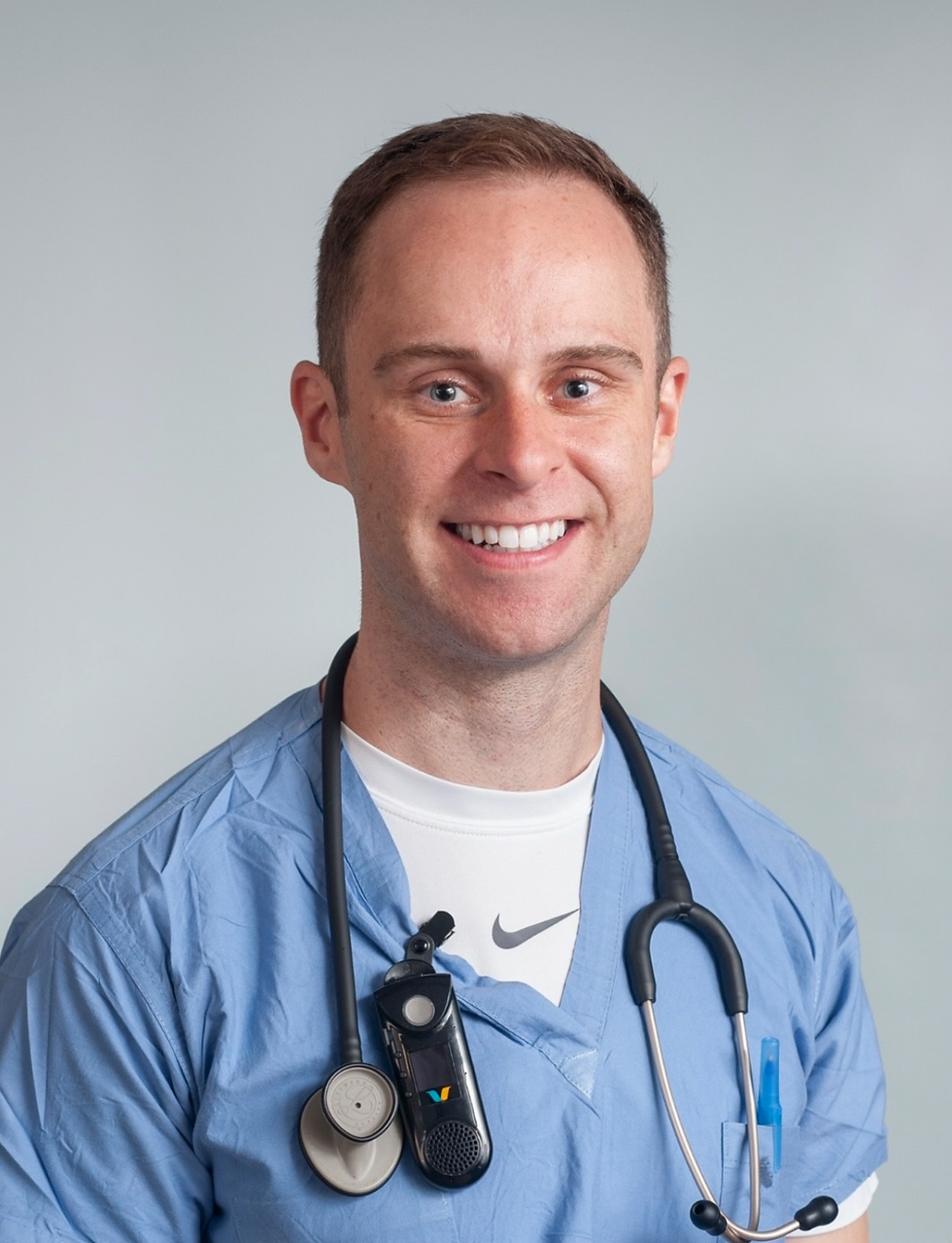
CRNA Interview With Nicoli Bettin
What does a day in your life as a CRNA look like?
The length of our shifts at the current hospital where I work vary, so I will either work 8, 12, 16, or 24 hour shifts. I get to the hospital around 6:30-6:45 a.m., and begin the day by looking up our patients on the computer. Afterwards, I go to the operating room and set it up for all the anesthesiology work that will be happening during the first big case of the day. During this process, I have to think about what anesthetics we will be using and how we will be sedating the patient. There are a lot of different ways that we can provide anesthesia to patients, such as if the patient will be sedated and breathing independently, if they will need a ventilator, or if we will do something else. I will then go talk to the patient along with my colleague (often the physician anesthesiologist).
Once the operating room is ready—with nursing staff, a surgeon, first assist, PAs, and techs—then I go back into the pre-op area where the patient is waiting, and I bring them to the operating room. If we will be putting the patient completely to sleep, the physician anesthesiologist and I will both be in the room to ensure safety and have extra hands if help is needed. After the patient is asleep with the breathing tube (endotracheal tube), then the physician anesthesiologist will typically leave the room. I will then care for the patient’s anesthesia for the rest of the surgery.
Once the surgery is done, I wake the patient up and take their breathing tube out (if we put them on a ventilator). I then take the patient to the recovery area, where I give the recovery nurses a report of what we did in the operating room from my perspective. At this point, the recovery nurses are in charge of caring for the patient. My last step is to head back to the operating room to make sure it’s clean and ready for the next case.
I typically work four days a week, with two of my shifts usually being 12 hours long and the other two being 8 hours. However, if I’m working on the weekend, I could work a 12-16 hour shift. I also work on call, so if I get called in, I could work either 5, 6, or 7 days a week depending on how much help is needed.
What does being a CRNA mean to you?
It’s the ability to care for patients in a very vulnerable state and have the education to keep them safe; incorporating pharmacology and physiology.
Can you tell us about yourself?
My title is a CRNA, which stands for Certified Registered Nurse Anesthesiologist. One role that I have in this job is performing pre-op interviews with patients who are going to have surgery. When I talk to these patients before their surgeries, I ask them about medications they take, their past medical history, activity level and if they have any issues with their heart or lungs. I can look up any tests previously done to also assess these functions (ex. Echocardiogram or pulmonary function tests). Then, I inform them about the type of anesthesia that I will be giving them. For example, the patient might be fully asleep (general anesthesia) or sedated but breathing independently without a ventilator (monitored anesthesia care).
On the day of the surgery, I will bring the patient back to the operating room where I then drift them off to sleep with medications. I also keep their blood pressure at a safe level and monitor their vitals throughout the procedure. When the procedure is done, I wake the patient up and bring them to the recovery area. The patient is then taken care of by recovery nurses, and eventually discharged home by the responsible provider (physician or CRNA).
CRNA’s and physician anesthesiologists work alongside one another to care for the patient, we are both credentialed to perform anesthesia tasks/interventions. To become a nurse anesthesiologist, I went to nursing school first before going back to school to get my doctorate in anesthesia. On the other hand, if you were to become a physician anesthesiologist, you would go to medical school after your undergrad. At my current job of employment, we work in an ACT model, which stands for Anesthesia Care Team. This means that nurse anesthesiologists and physician anesthesiologists work together as colleagues to take care of our patients.
Full Q&A With Nicoli Bettin
How much education is required to become a CRNA?
First, you need to obtain your bachelor’s in nursing, which is a four-year undergrad degree. Afterwards, you must work in an ICU for at least two years. Personally, I worked in the cardiovascular surgery ICU at Mayo Clinic in Rochester. However, you can really work in any ICU, whether that is neuro, trauma, surgical, pediatric, or anything else medical. After you’ve worked in the ICU for two years, then you have to apply for CRNA school. CRNA school is extremely competitive, so obtaining a CCRN (Critical Care Registered Nurse) certification, becoming charge nurse and a preceptor help you stand out in applications. Once you are accepted into a CRNA school program, you will be there for three years before you graduate with your doctorate in anesthesia. Essentially, there is about nine years of learning to become a CRNA, including undergrad, work in the ICU, and CRNA school.
Was there a certain moment that you realized you wanted to be a CRNA?
My interest just came gradually. I was always interested in how medicine and physiology worked, which are two of the most significant parts of anesthesia. Over time, I learned more about what CRNAs do, which inspired me to pursue this career. I would say that I was in 7th grade when I truly understood what CRNAs did and seriously considered the career.
How did you become interested in being a CRNA?
I have always wanted to do anesthesia since I was younger. I am not sure why, but I have always been interested in how medications and body systems work. Anesthesia is very complementary of these two interests, so it always made sense that this was a career I wanted to pursue. As I got older, I held on to this interest in anesthesia and did more research into the field, which eventually inspired me to become a CRNA.
What is the career outlook for a CRNA?
This career is supposed to grow by 15-20 percent in the next 10 years, meaning the career outlook is great. If you choose to become a CRNA, you can pretty much get a job wherever you want. This is true for all anesthesia providers, and especially as a CRNA.
What is your favorite part of being a CRNA?
I enjoy being able to take care of patients in a very vulnerable state (during surgery) so that we can help them get better. The ability to allow a patient to take a nap, provide them with pain medications, and keep them as comfortable as possible while providing them care is an amazing opportunity to have.
What are the biggest challenges of being a CRNA?
Currently, a lot of hospitals are short on anesthesia providers. There is a very large demand for these anesthesia providers, but there just aren’t enough of them to meet this demand. So, I think that the greatest challenge of my job is just having to work a lot because we are so short on anesthesiologists, and we truly want to make sure that our patients are getting the best care.
What advice would you give to someone who is interested in the healthcare field and is trying to figure out what profession is best for them?
I would suggest that they get some shadowing experience. The firsthand experience that you get by walking in a medical professional’s shoes for a day is amazing and can be really insightful for someone hoping to pursue medicine.